Preserving the Flavours and Traditions of India
Introduction
Indian pickles are much more than a flavourful accompaniment served beside a meal. They are a beautiful part of India’s culinary heritage, shaped by regional tastes, seasonal ingredients, traditional spices, and generations of food traditions. Across Indian homes, pickles have found a familiar place on the dining table, adding colour, aroma, tanginess, and character to even the simplest meal.From the bold flavour of mango pickle to the distinctive taste of lemon, amla, and tamarind varieties, Indian pickles represent the incredible diversity of our food culture. Every variety has its own personality, and every meal can offer a different way to enjoy it.
At USHA Heritage Pickles, we celebrate this rich Indian tradition by bringing familiar pickle flavours to today’s dining table while keeping the warmth and character of traditional Indian food at the heart of our story.
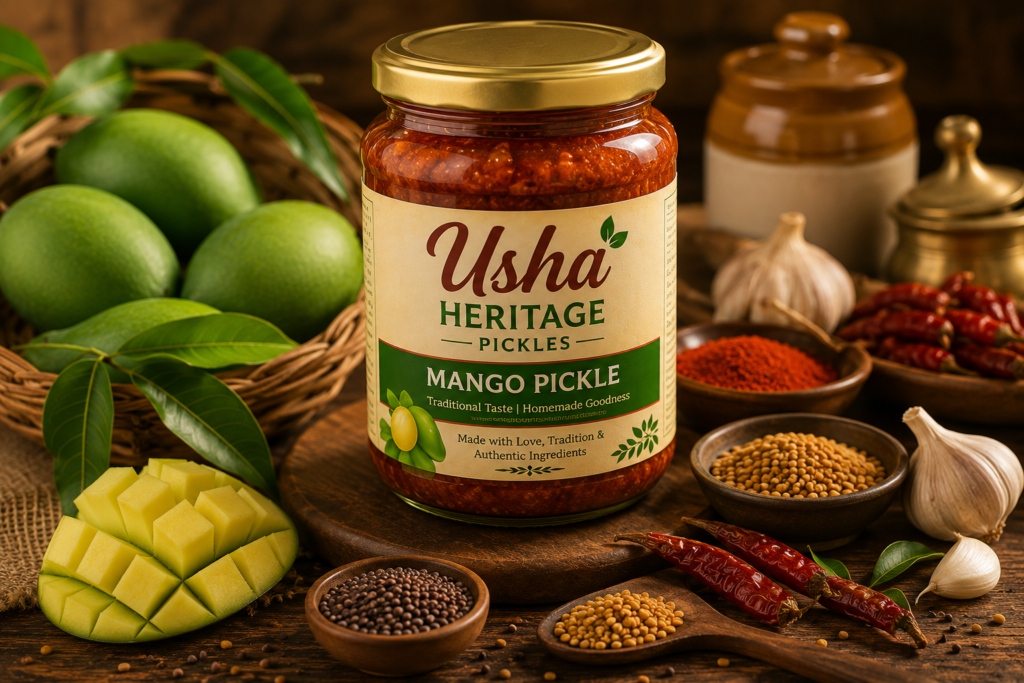
The Place of Pickles in Indian Food Culture
Food in India is deeply connected with family, seasons, celebrations, and everyday life. Pickles have naturally become part of this culture because they can accompany a wide variety of foods without taking away from the main dish.
A small serving of pickle beside hot rice, dal, curd rice, chapati, dosa, idli, or paratha can add a completely different dimension to the meal. Its strong flavour provides contrast to mild dishes and creates the kind of combination that feels familiar to many Indian households.For some, pickle is the first thing they look for on a traditional lunch plate. For others, it is the flavour that makes a simple meal feel complete.
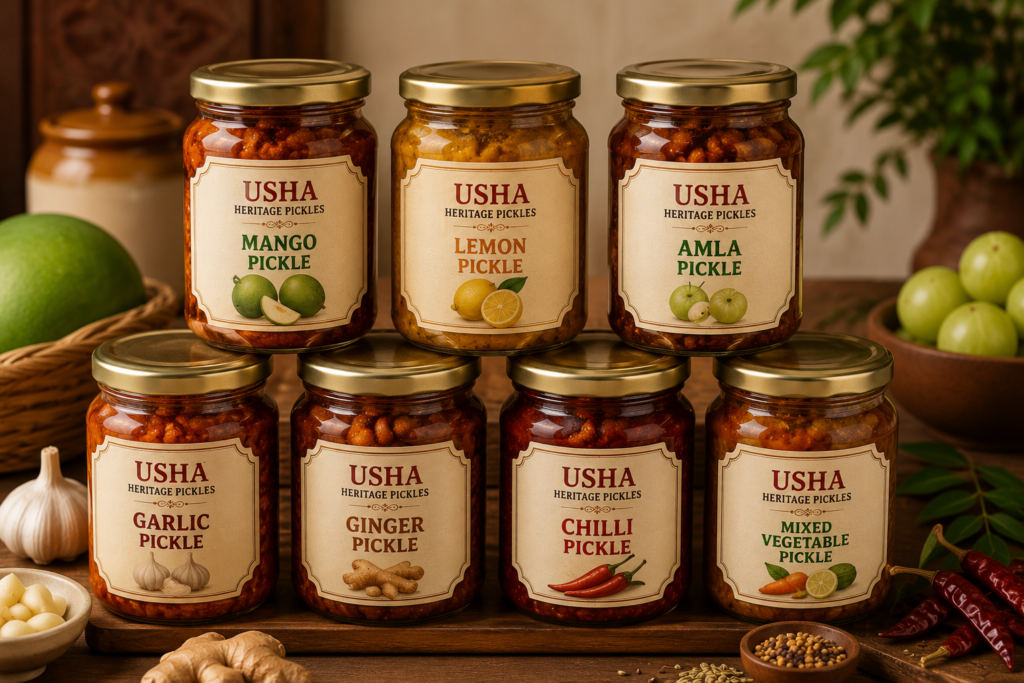
India’s Love for Mango Pickle
Among Indian pickle varieties, mango pickle holds a particularly special place.The arrival of raw mangoes during summer has long been associated with traditional Indian kitchens. Their firm texture and naturally tangy flavour make them especially suited to bold and spicy pickle preparations.
Mango pickle carries the character of summer in every bite. Its distinctive flavour pairs beautifully with rice, dal, curd rice, chapati, and many other everyday foods.For many people, the taste of mango pickle is closely connected with summer holidays, family meals, traditional kitchens, and the comforting flavours of home.
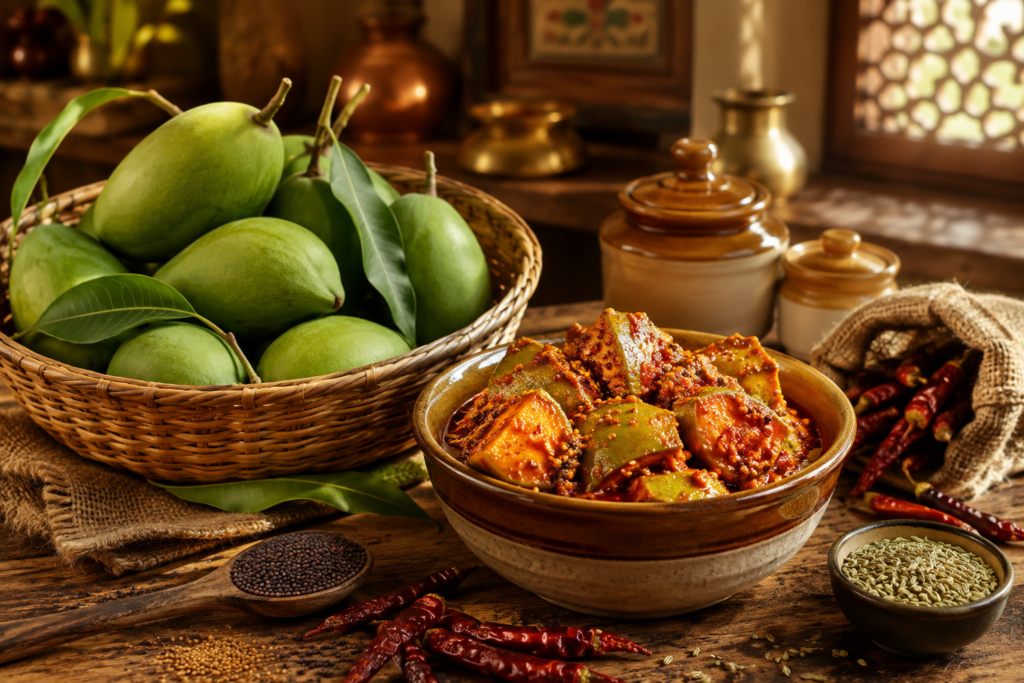
The Flavours That Make Indian Pickles Unique
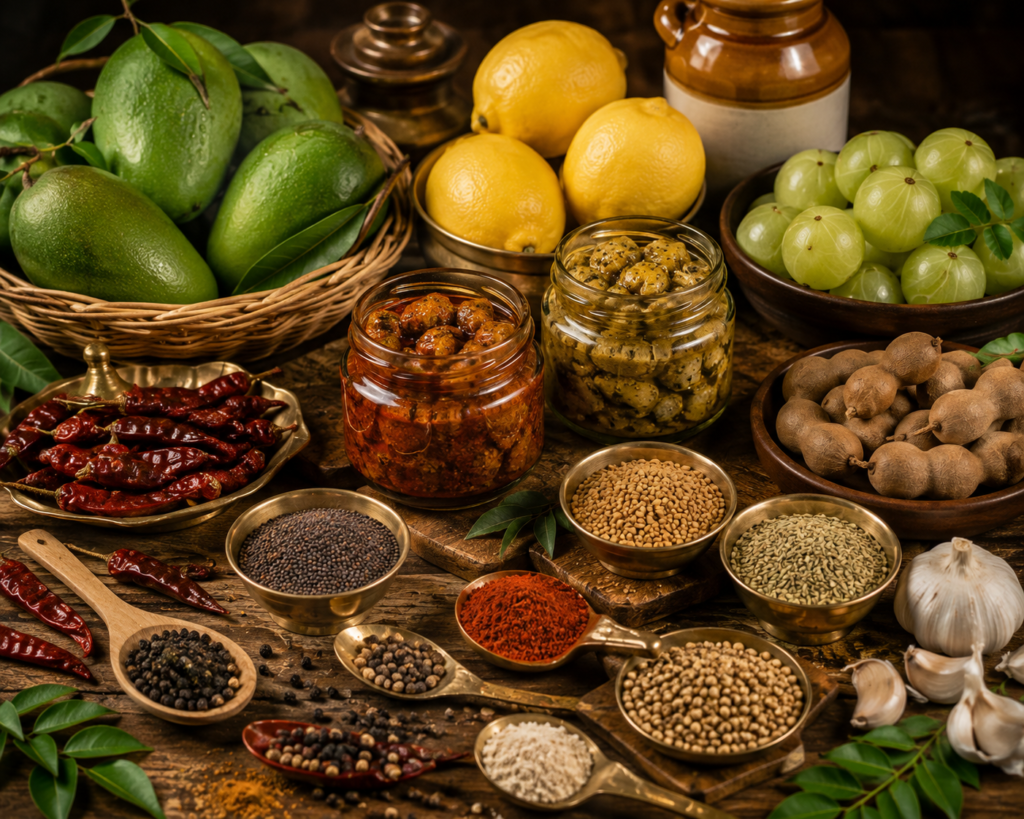
The character of an Indian pickle comes from the relationship between its main ingredient and its traditional seasoning. The natural flavour of the fruit or vegetable combines with spices to create a layered taste that can be spicy, tangy, aromatic, salty, and richly seasoned.Mustard, chilli, fenugreek, turmeric, coriander, garlic, and other traditional ingredients can contribute their own aroma and flavour to different recipes. The exact combination gives each pickle its individual character.This is why two pickle varieties can look similar at first glance but offer completely different experiences when tasted.
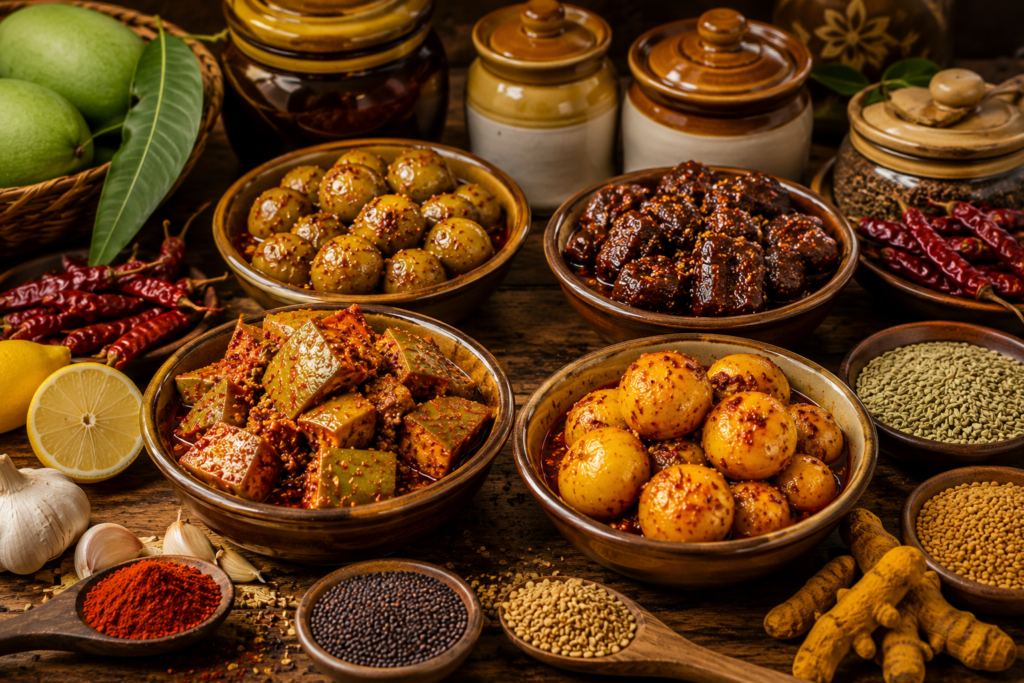
The Diversity of Indian Pickles
India’s pickle tradition is wonderfully diverse. Different fruits and ingredients create different flavours, textures, colours, and aromas, allowing each variety to have its own identity.
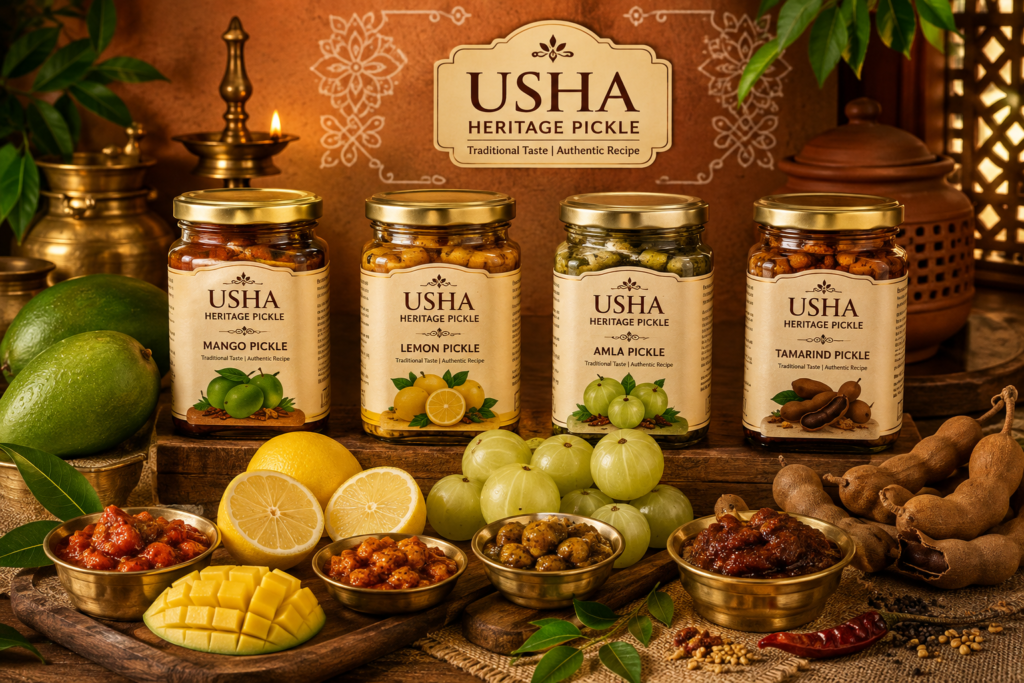
Lemon pickle is known for its distinctive tangy character. Amla brings its own unique flavour and texture, while tamarind offers a deeper and naturally tangy taste. Mango, lemon, amla, and tamarind may all belong to the same broad tradition, but each creates a completely different experience on the dining table.This variety is one of the most enjoyable aspects of Indian pickle culture. There is always another flavour to discover, another meal to complement, and another traditional taste to appreciate.
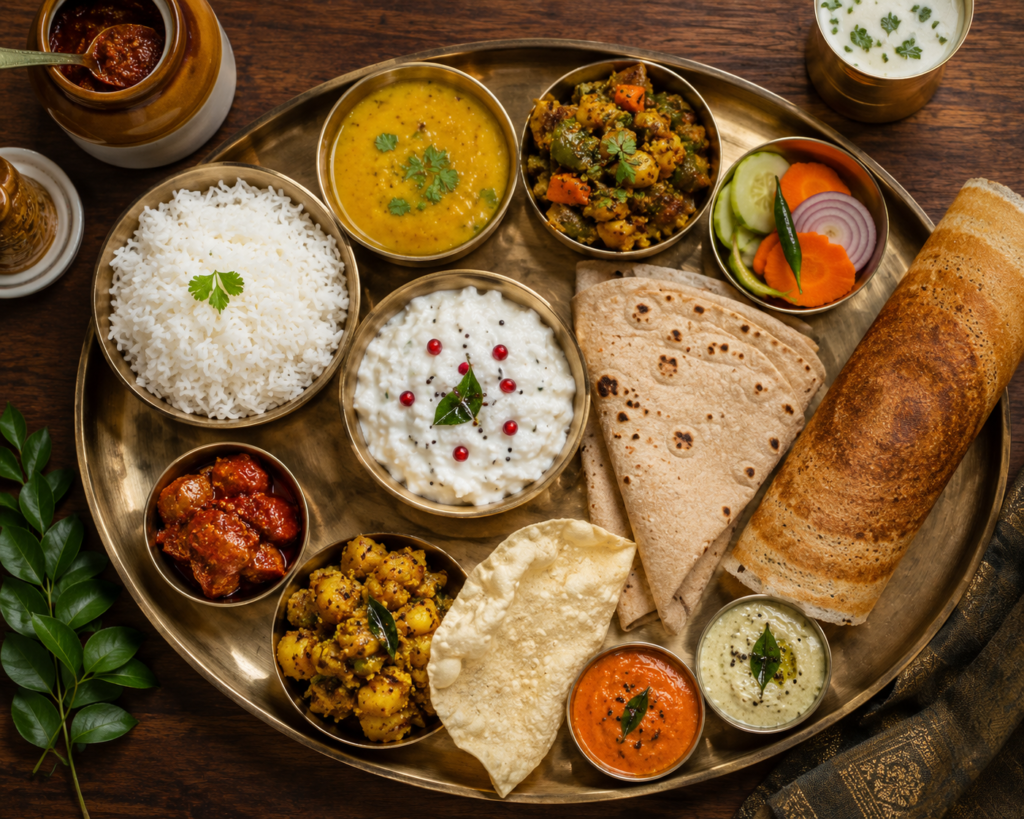
A Small Part of the Plate With a Big Flavour
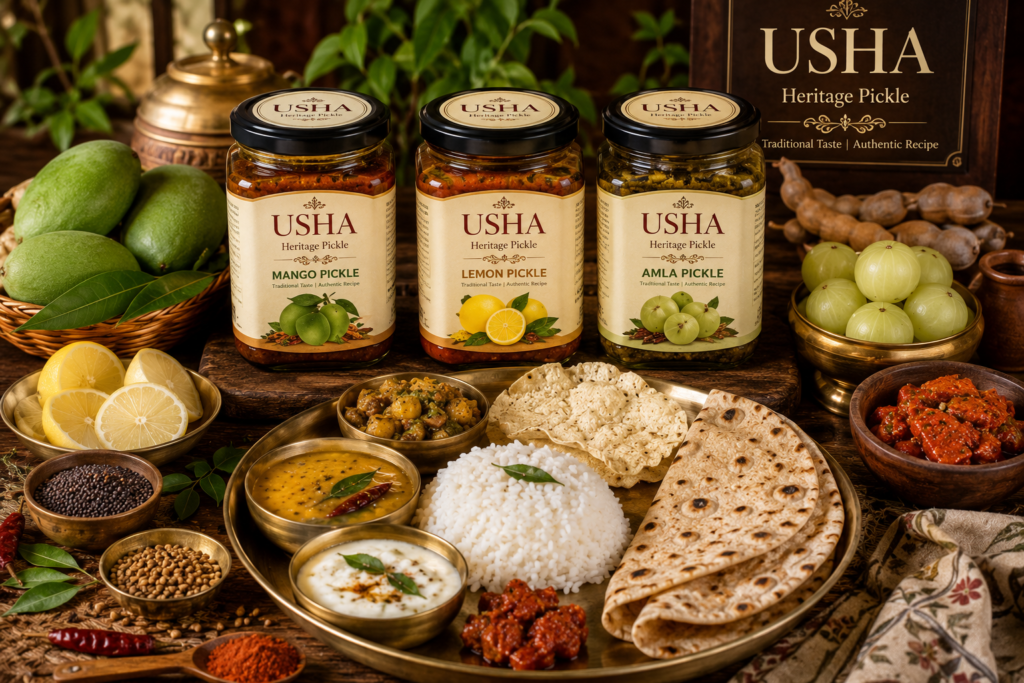
Pickle does not need to occupy much space on a plate to make an impression.A small serving alongside steamed rice can add boldness to an otherwise mild meal. With curd rice, its tangy and spicy character creates a pleasant contrast. With chapati or paratha, it provides an additional burst of flavour. With dosa and idli, it introduces another traditional taste alongside familiar South Indian dishes.This simple versatility is one of the reasons pickles remain such a popular part of Indian meals.
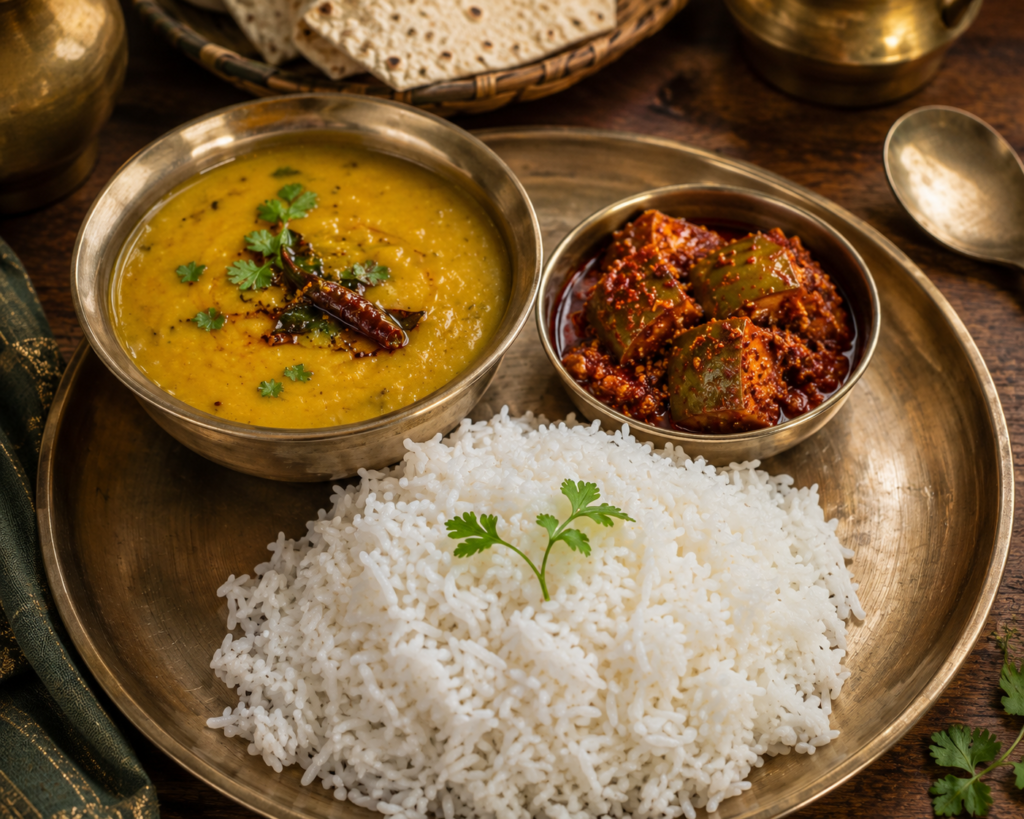
The Comfort of Pickle and Rice
There are few combinations as simple and familiar as hot rice with pickle.Whether accompanied by dal, ghee, vegetables, or curd, rice provides a mild base that allows the stronger character of pickle to stand out. A small serving can transform the flavour of the entire plate without making the meal complicated.For many Indian families, these simple combinations represent comfort food at its best — uncomplicated, familiar, and satisfying.
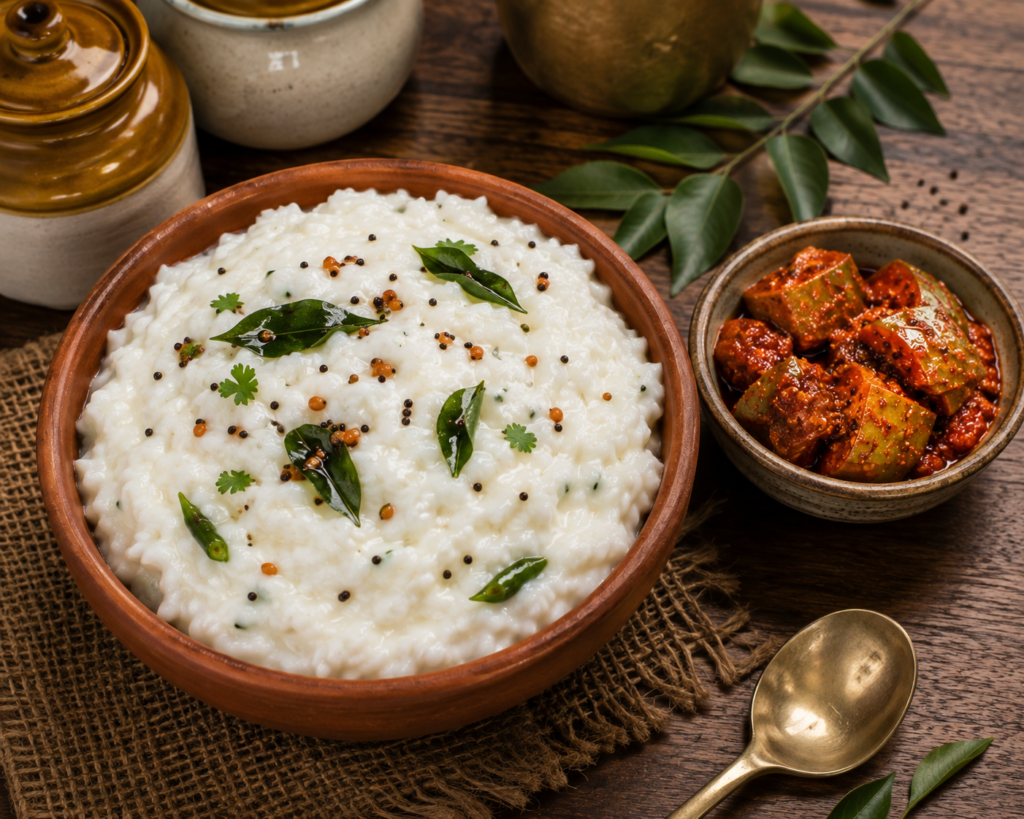
The Perfect Contrast With Curd Rice
Curd rice has a naturally mild and creamy character, making it an ideal companion for stronger flavours.A little lemon, mango, or amla pickle can provide a tangy and spicy contrast that makes the combination more lively. This pairing is especially familiar in South Indian food culture, where curd rice and pickle can form part of a simple and comforting meal.The combination demonstrates how traditional Indian food often creates balance by bringing contrasting flavours together on the same plate.
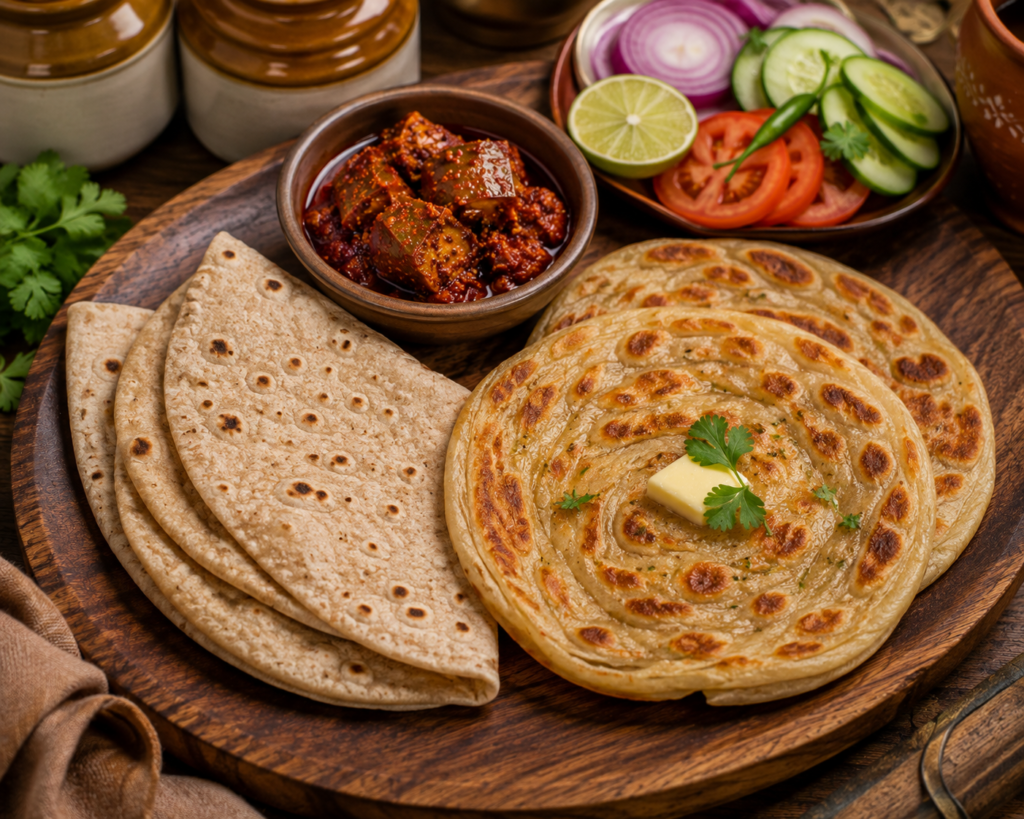
Pickle With Chapati, Roti and Paratha
Pickles are equally comfortable alongside Indian breads.Soft chapati, roti, and flaky paratha can all be paired with a small serving of pickle. The mild taste of the bread allows the bold seasoning of the pickle to become more noticeable, creating an easy combination for breakfast, lunch, or dinner.
Sometimes, a warm paratha and a spoonful of traditional pickle are all that is needed to create a satisfying meal.
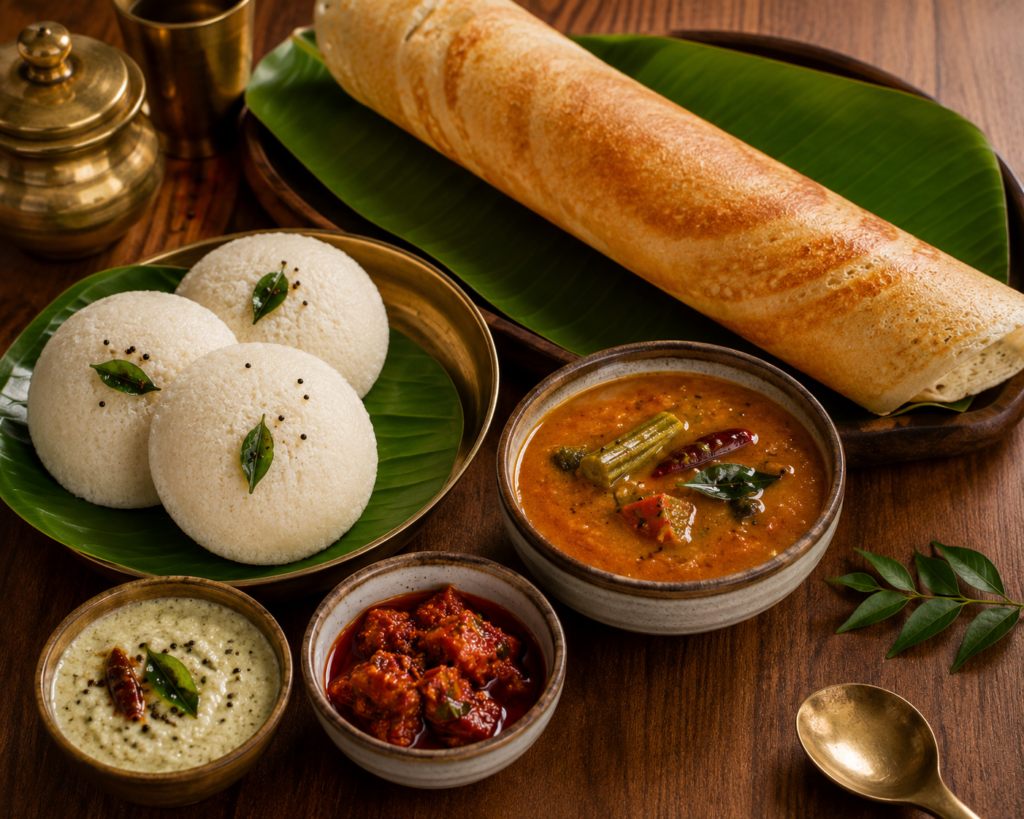
A Familiar Companion to South Indian Breakfasts
Indian pickle traditions also fit naturally alongside popular South Indian foods.Dosa and idli have their own distinctive textures and flavours, while pickle adds another layer of spice and tanginess to the plate. Served with chutney and sambar, a small portion of pickle can introduce a completely different taste without overpowering the meal.This ability to work with different cuisines and dishes makes traditional pickles remarkably versatile.
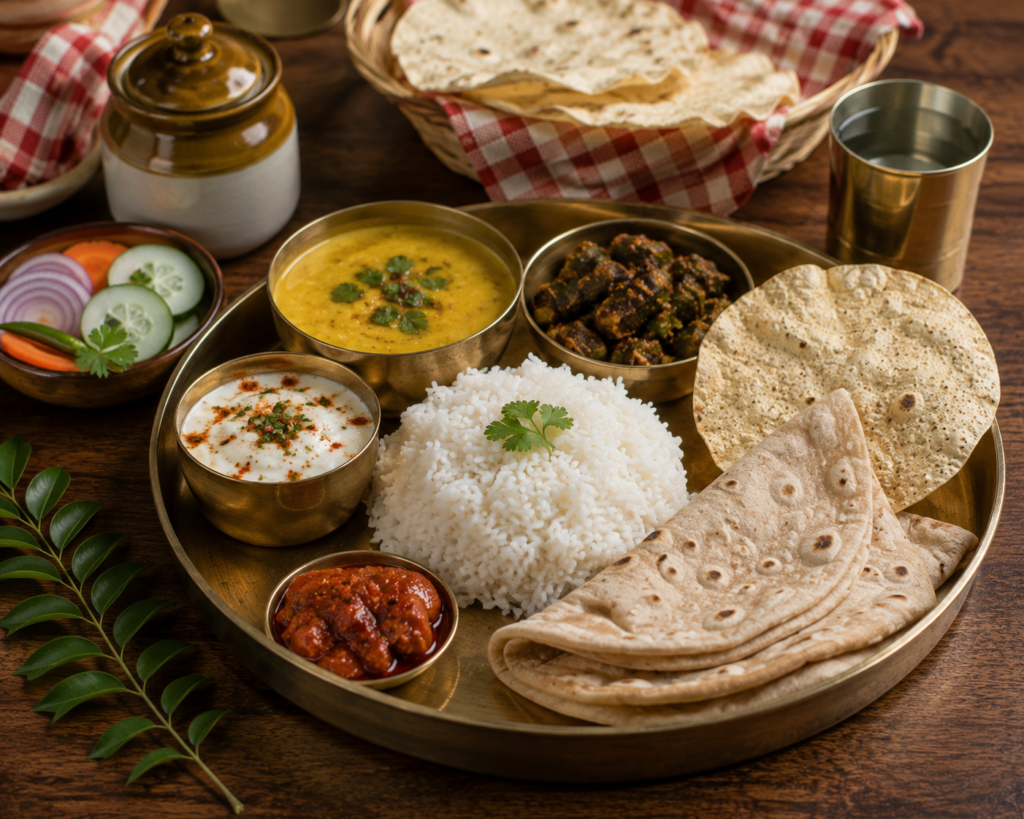
The Beauty of a Simple Indian Meal
Indian food does not always need to be elaborate to be memorable.A plate of hot rice, dal, vegetables, curd, papad, and pickle can create a comforting meal using familiar ingredients. The pickle adds a strong flavour to the plate while the other dishes provide their own textures and tastes.
These simple combinations are often the meals people remember most — not because they were complicated, but because they were connected with home.
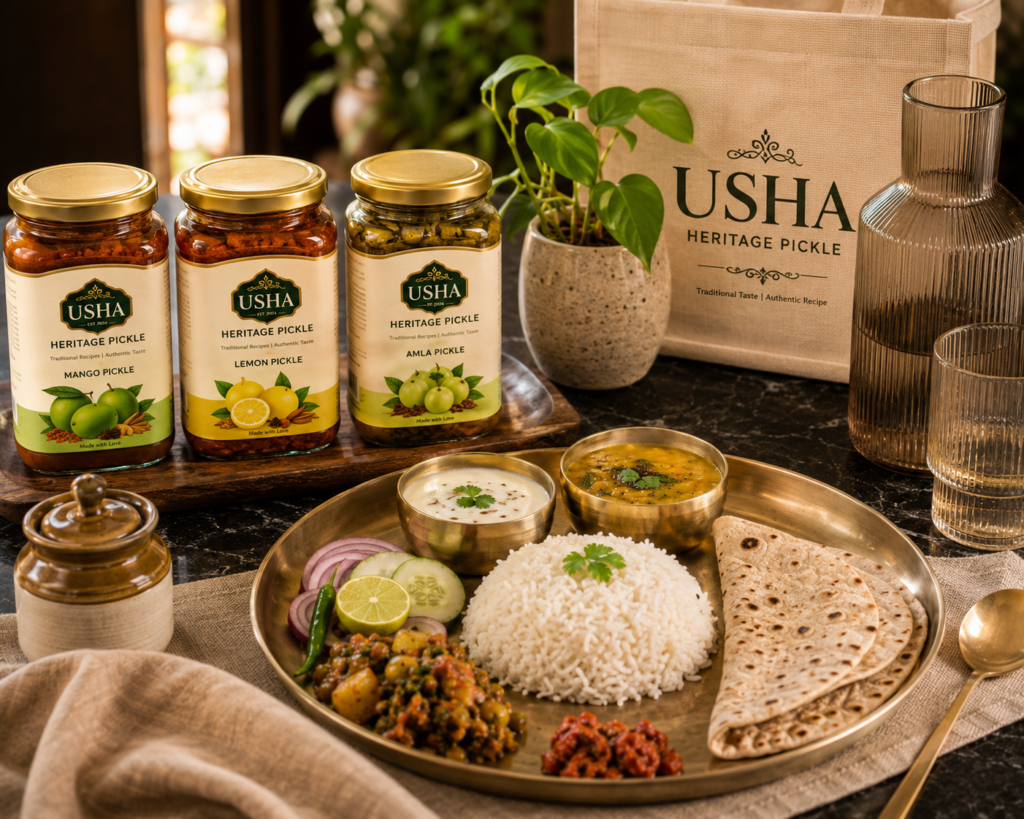
Pickles and the Changing Indian Kitchen
Indian kitchens have changed with time. Modern families often have busier routines, new cooking habits, and different ways of enjoying food. Yet traditional flavours continue to remain important because they provide a sense of familiarity.Pickles fit naturally into modern life because they can be enjoyed with many different meals while bringing the character of traditional Indian flavours to the table.They offer a simple connection between the food traditions of the past and the everyday meals of today.
The Memories Behind Indian Pickles
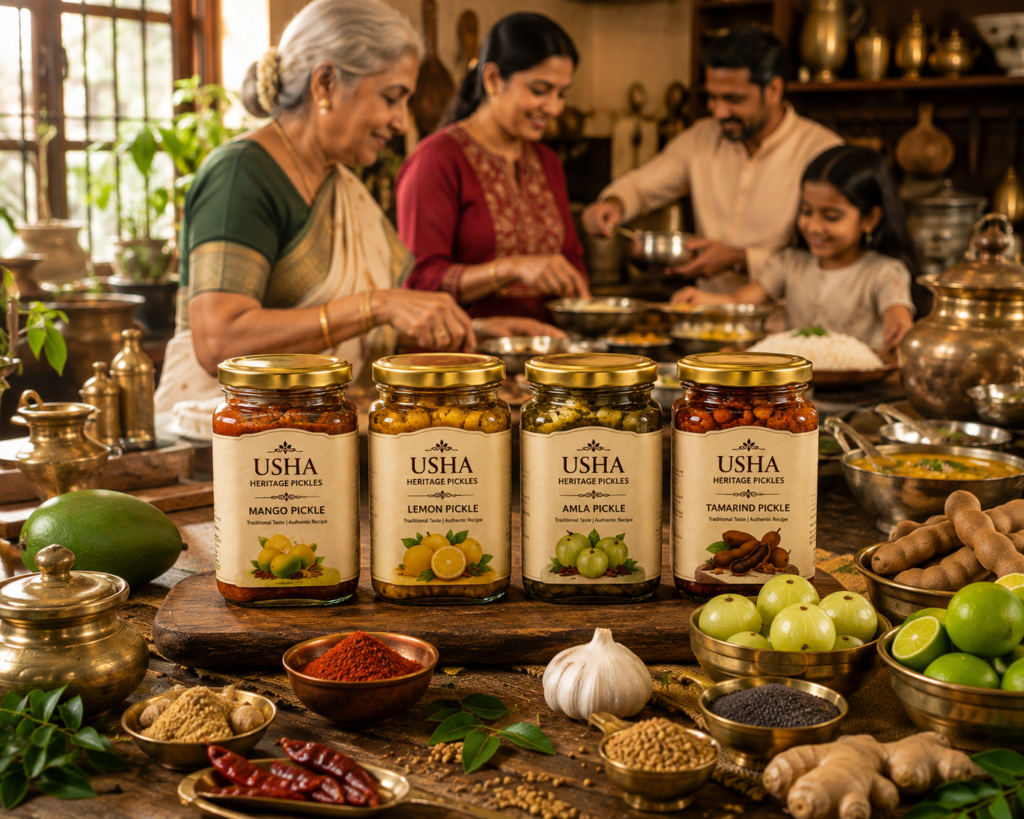
Food memories are often created through simple moments.A summer afternoon with raw mangoes, a family lunch around the dining table, a bowl of curd rice, or a grandmother serving rice with pickle can become memories that stay with us for years.Pickle is often part of these moments because it has such a familiar presence in Indian homes.Its flavour can remind us of a particular season, a particular meal, or simply the feeling of eating something prepared in a traditional style.
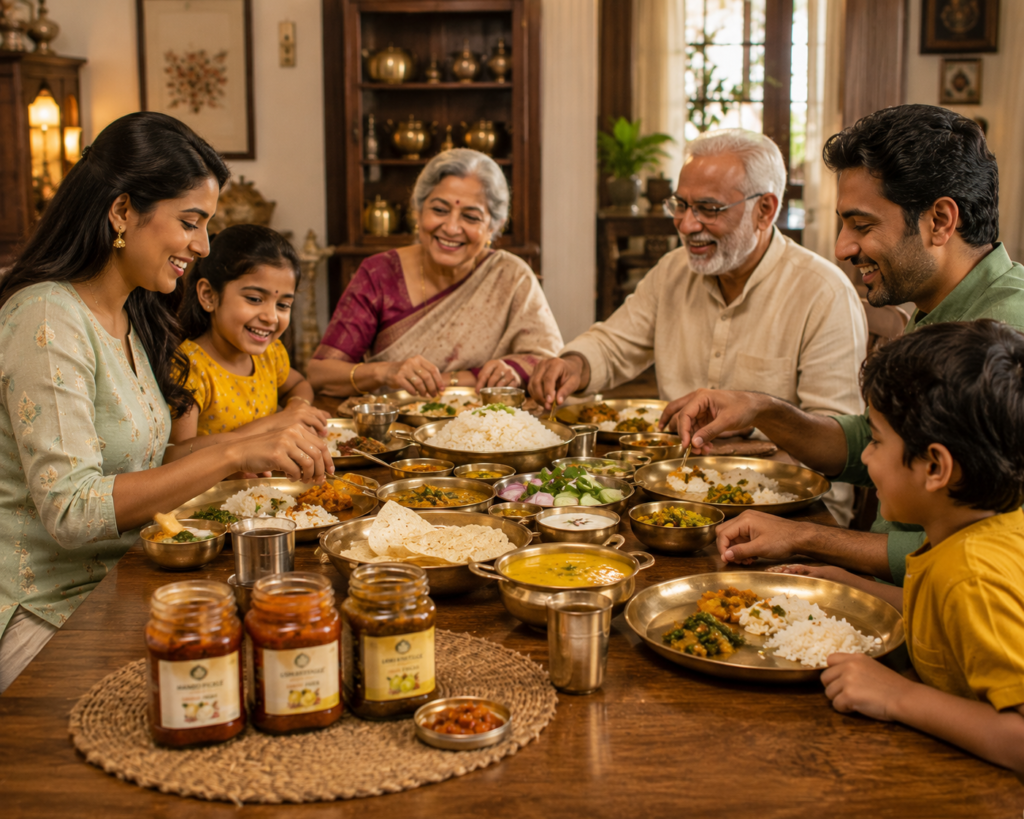
Keeping Indian Pickle Heritage Alive
Traditional food becomes meaningful when its flavours continue to be appreciated by new generations.Preserving Indian pickle culture does not mean keeping it only in the past. It means allowing familiar flavours to remain part of modern life while respecting the traditions and food memories behind them.
At USHA Heritage Pickles, we want to celebrate this connection through traditional pickle varieties that can be enjoyed with the meals people prepare and share every day.Our inspiration comes from the simple idea that traditional flavours deserve a place at the modern Indian dining table.
Every Variety Has Its Own Story
Mango reminds us of summer. Lemon brings its distinctive tanginess. Amla offers a unique traditional flavour, while tamarind brings a deep and bold character.Together, these varieties represent only a small part of India’s rich pickle tradition.What makes them special is not simply the ingredients themselves, but the way they become part of meals, conversations, family gatherings, and everyday memories.A pickle jar may be small, but the food tradition behind it is much larger.
From Our Kitchen to Your Family
At USHA Heritage Pickles, every pickle represents more than a combination of ingredients and spices. It represents the care, traditions, and flavours that have always been part of Indian homes.Our inspiration comes from the simple meals shared with family, the traditional recipes remembered across generations, and the familiar taste of pickle served alongside everyday food. We want every jar to bring a feeling of warmth and familiarity to the dining table.Whether it is mango pickle enjoyed with hot rice, lemon pickle served with curd rice, or amla and tamarind pickle paired with Indian breads, our flavours are created to become part of the meals people already love.
The journey may begin with a simple ingredient, but it becomes special when it reaches a family table.
The Ingredients Behind Every Flavour
The identity of a pickle begins with its main ingredient. Fresh mangoes, lemons, amla, and tamarind each bring their own natural taste, texture, aroma, and character.Traditional spices then bring these ingredients together, creating the bold and distinctive flavours associated with Indian pickles. Mustard seeds, chilli, fenugreek, turmeric, and other familiar seasonings can add depth and aroma to the preparation.
At USHA Heritage Pickles, these traditional ingredients are part of what makes each variety unique. Every flavour has its own character, allowing people to choose the pickle that best matches their favourite meals.
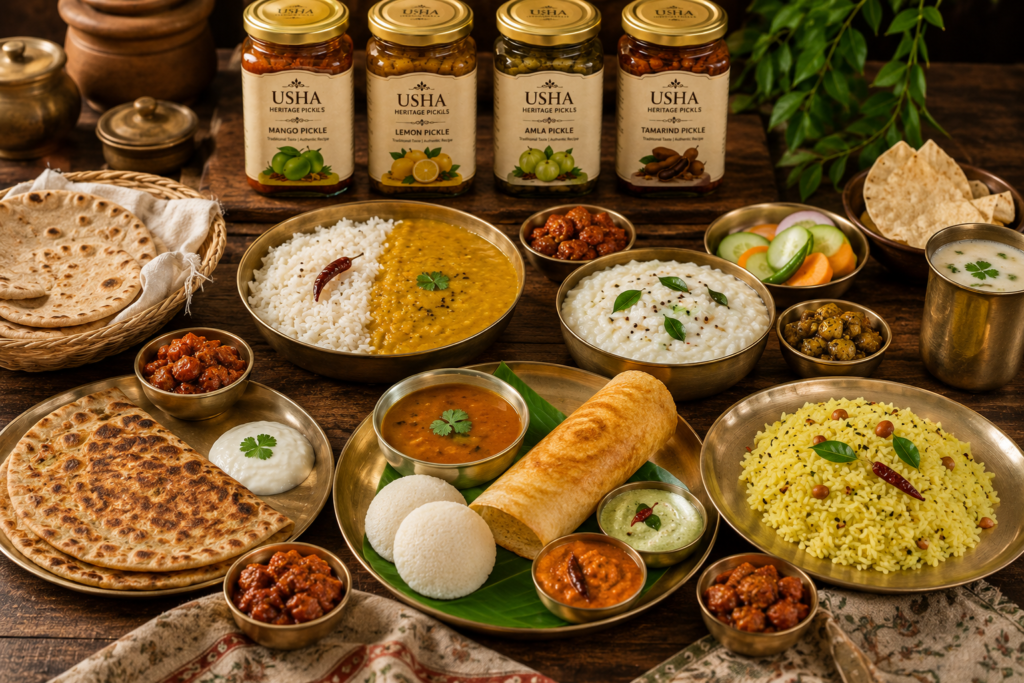
A Pickle for Every Meal
One of the beautiful things about Indian pickles is their versatility. A small spoonful can accompany breakfast, lunch, or dinner and bring an additional layer of flavour to the meal.Mango pickle can add boldness to hot rice and dal. Lemon pickle can create a refreshing contrast with curd rice. Amla pickle can be enjoyed with chapati or paratha, while tamarind pickle can bring a rich and tangy character to a simple home-cooked meal.There is no single way to enjoy a pickle. Every family has its own favourite combination, and every meal creates another opportunity to experience its flavour.
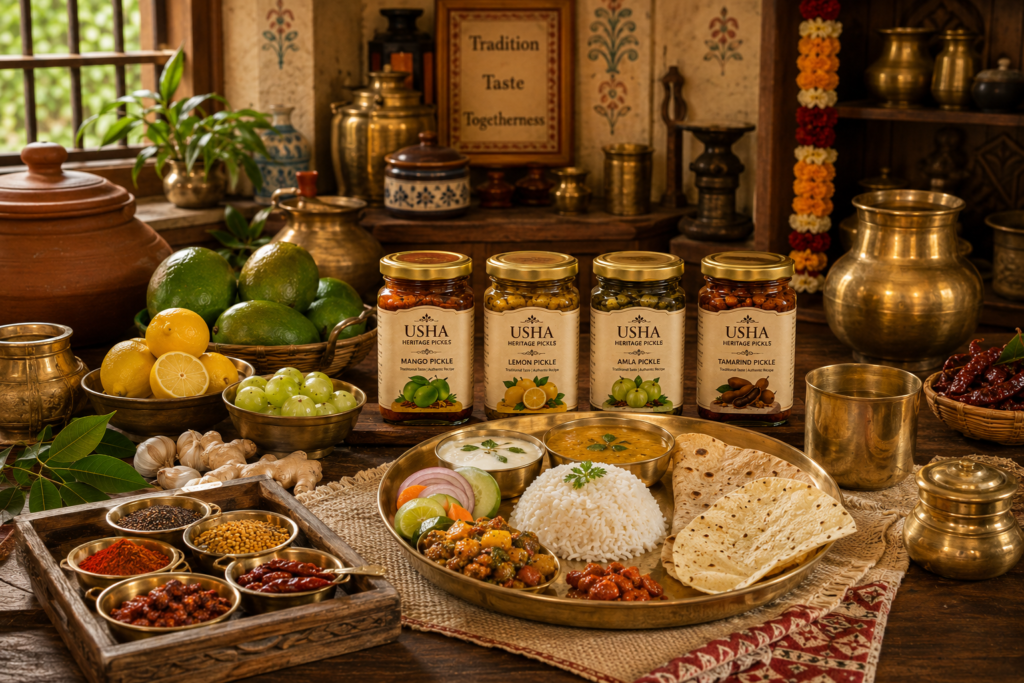
Preserving a Taste That Belongs to India
Food traditions remain alive when they continue to be shared. Indian pickles have travelled from traditional kitchens to modern dining tables while retaining the familiar flavours that make them special.For USHA Heritage Pickles, preserving this heritage means celebrating traditional tastes while making them suitable for today’s everyday meals. It is about keeping the connection between ingredients, recipes, families, and memories alive.
A pickle jar may sit quietly on the dining table, but behind it is a story of Indian food culture, seasonal ingredients, traditional spices, and the simple joy of sharing a meal together.
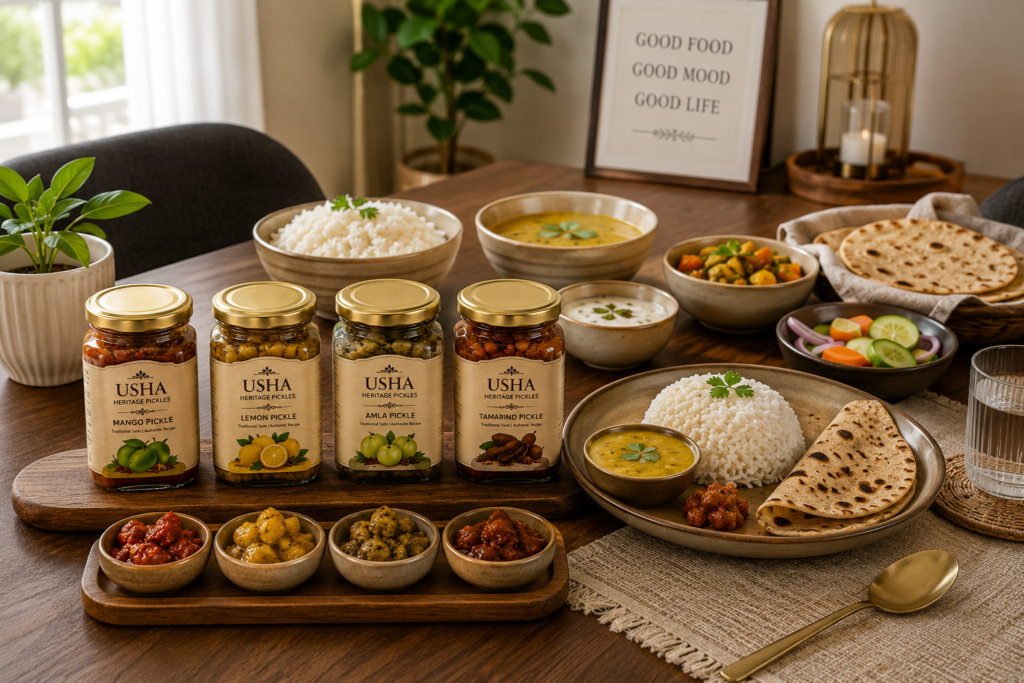
Why Pickles Remain Special
Indian meals continue to change with modern lifestyles, but the love for familiar flavours remains strong. Pickles have the unique ability to fit naturally into both traditional meals and contemporary dining.They do not require a complicated recipe or an elaborate presentation. A small serving is enough to add character to rice, curd, roti, paratha, dosa, or idli.That simplicity is what makes Indian pickles timeless. They connect generations through a taste that can be enjoyed in different ways while still carrying the feeling of home.
A Taste of India, One Meal at a Time
Indian pickles are more than an accompaniment. They are part of the colours, flavours, seasons, and memories that make Indian food culture so special.From the first raw mangoes of summer to the pickle served beside an everyday family meal, these flavours continue to connect food with tradition.
USHA Heritage Pickles celebrates that connection — bringing the familiar taste of Indian pickle traditions to your table, one meal at a time.
Conclusion
Indian pickles are a timeless part of our food heritage, bringing traditional flavours and cherished memories to every meal.From mango and lemon to amla and tamarind, every variety reflects the rich diversity of Indian culinary traditions.At USHA Heritage Pickles, we are proud to keep these traditional flavours alive and bring them to today’s families.
With every spoonful, we celebrate the taste, warmth, and heritage of India — one meal at a time.